Industrial Data Platforms
Edge collection, historians and time-series stores that survive intermittent networks and still answer questions asked months later.
Explore data platforms
Industrial software that reads the line as it actually runs — so downtime, scrap and delay are visible before they reach the customer.
Most manufacturers already have the data. It is trapped in a PLC, a historian, a spreadsheet on a supervisor laptop, and an ERP that learns about production a day late. We build the layer that joins them.
That means edge collection that tolerates a dropped network, a data model that survives being asked new questions, and interfaces into MES and ERP that do not need someone re-keying figures at shift handover.

Five pressures show up in nearly every industrial roadmap we are handed. Here is how we take them off your plate.
Get A Plant Data ReviewEdge collection from PLCs, historians and manual stations, buffered locally so a network drop delays the data rather than losing it.
Condition monitoring and failure-pattern models that give maintenance a window to act rather than an alarm after the stop.
Inline traceability by batch, lot and serial, so a defect is contained to the units affected instead of a whole production run.
One reconciled production record feeding MES, ERP and reporting, so finance and operations stop arguing about the numbers.
Supplier and logistics signals joined to production plans, so a late inbound shows up as a schedule risk while it can still be mitigated.
Five practices covering the signal from the machine, the record it becomes, and the decisions it should drive.
Edge collection, historians and time-series stores that survive intermittent networks and still answer questions asked months later.
Explore data platformsThe production record joined to planning, inventory and finance, so shift data arrives as a feed rather than a re-keyed spreadsheet.
Explore integrationCondition monitoring and failure models tuned to your assets, with alerts that reach the maintenance planner in time to be useful.
Explore maintenanceBatch, lot and serial genealogy captured inline, so containment is precise and a recall is a query rather than an investigation.
Explore traceabilitySupplier, inbound and logistics signals joined to the production schedule so disruption surfaces as risk while there is still time to act.
Explore supply chainEight problem areas we build against most often for plant, quality and supply chain teams.
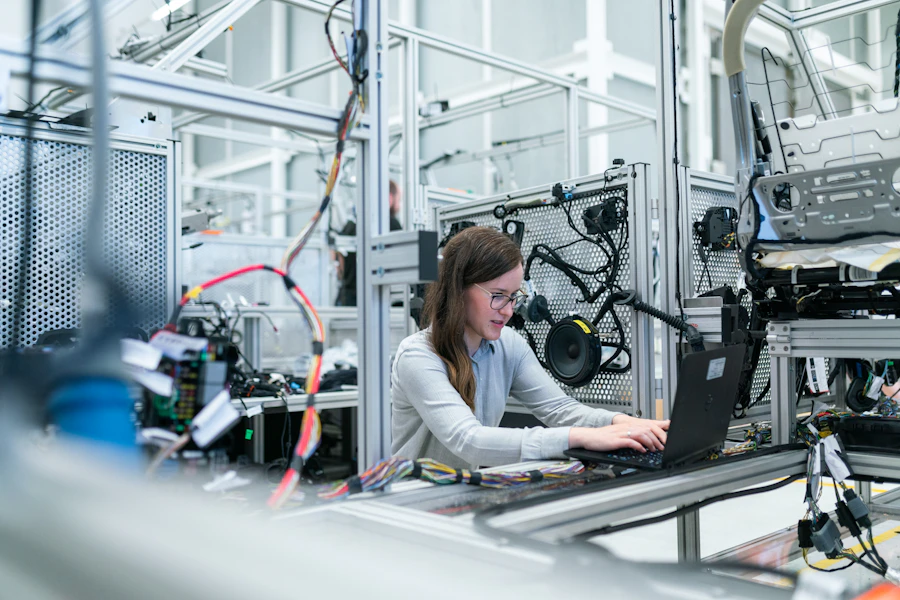



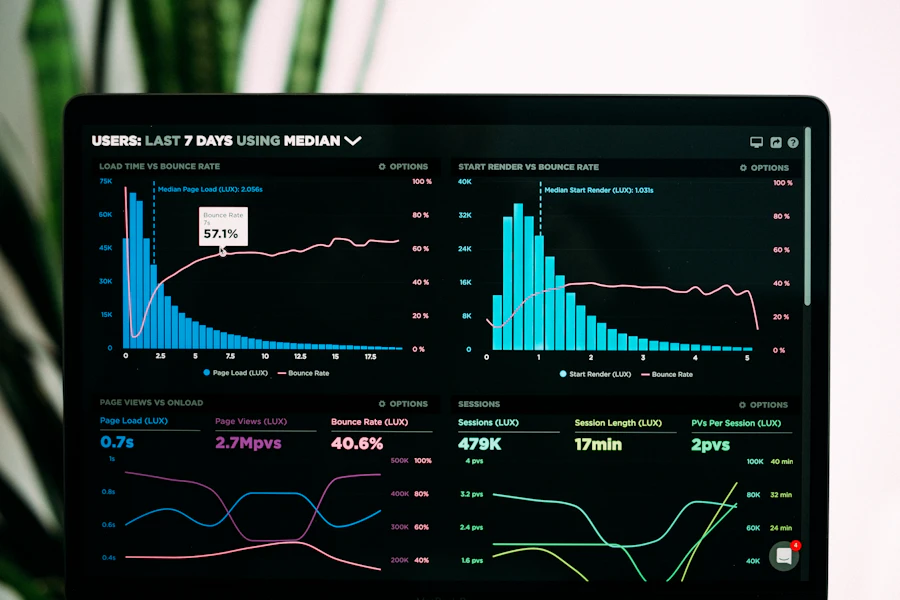
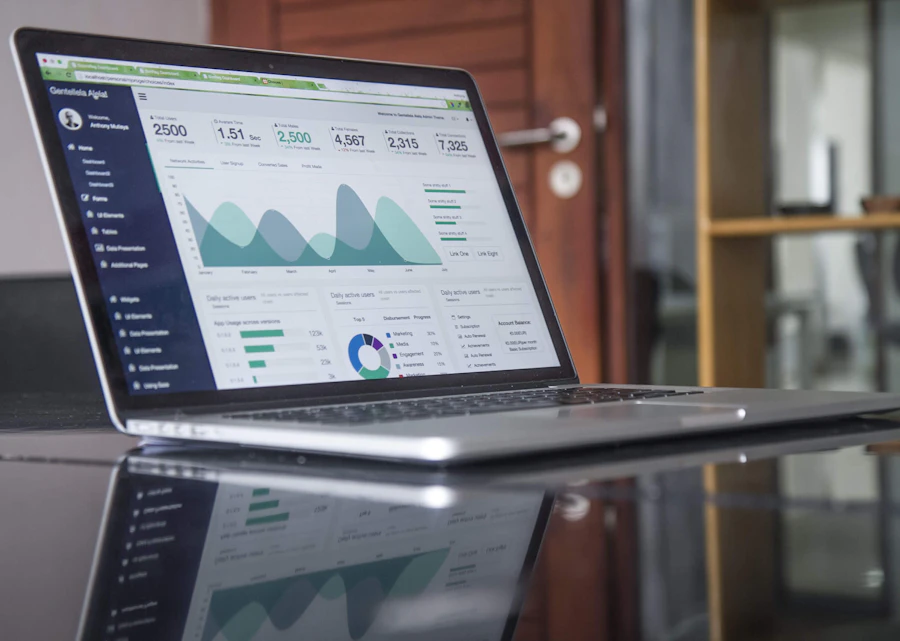

From the first sensor reading to the last supplier signal — each stage narrows the gap between what the line did and what the business knows.
Edge collection buffered locally so a dropped network delays data, never loses it.
A single truth that MES, ERP and reporting all read from.
Condition models that alert before the stop rather than after it.
Batch and serial genealogy that makes containment precise.
Inbound and supplier risk surfaced against the live schedule.
From concept to completion.
Explore MoreTell us what you're building. An engineer who works in your sector — not a sales rep — replies within one business day.