Clinical Workflow Applications
Ward, theatre and outpatient tools built around the task at hand — fast on shared devices, usable with gloves on, and resilient when the network is not.
Explore clinical apps
Clinical software that is fast at the bedside, auditable afterwards, and compliant by construction rather than by paperwork.
Clinical software fails on the ward long before it fails an audit. We start from the actual workflow — what a nurse does at 3am, what a consultant needs in ninety seconds — then build the integration, the data model and the compliance surface around it.
That means HL7 v2 and FHIR interfaces that survive real message traffic, records that reconcile, and an audit trail that answers "who saw what, when" without a support ticket.
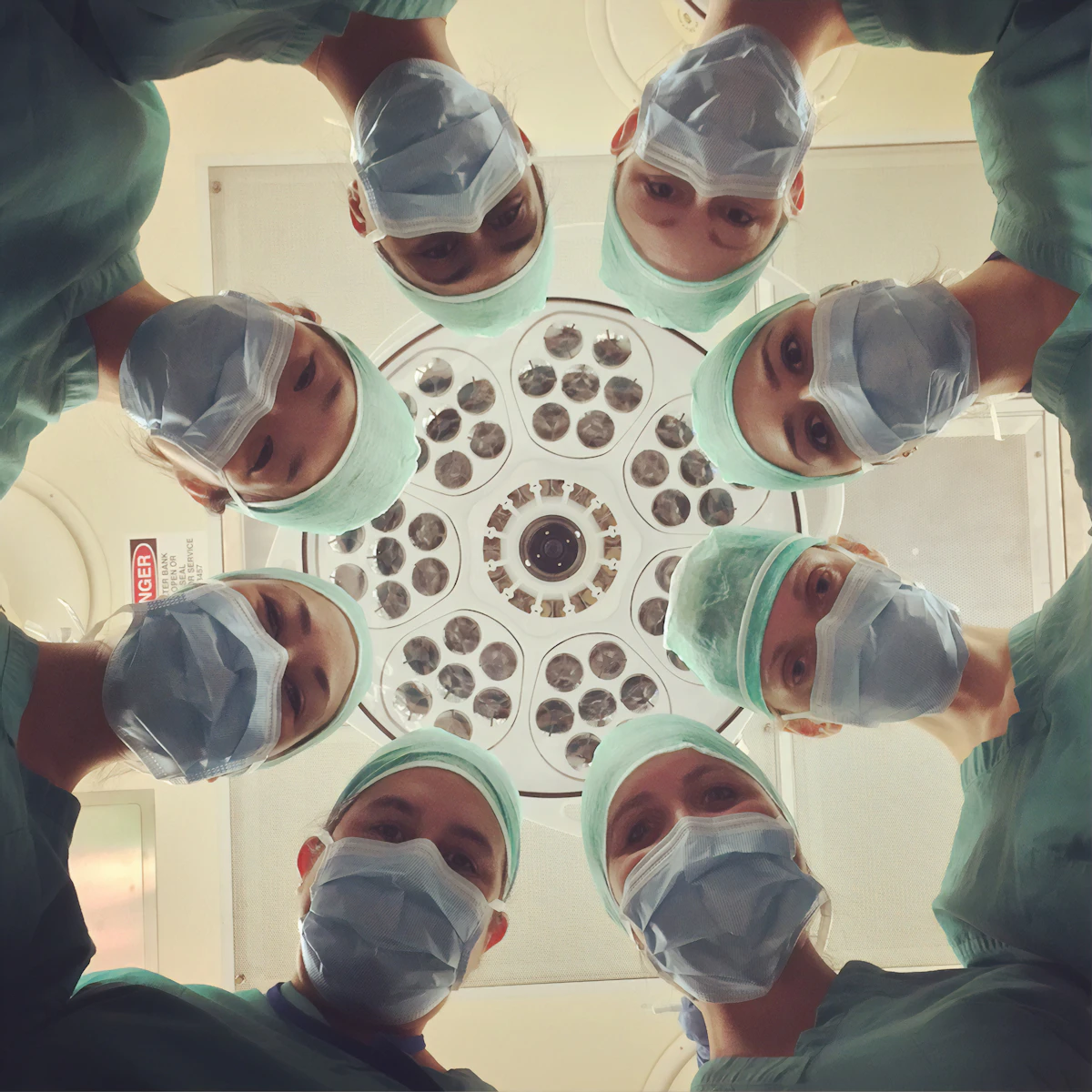
Five pressures show up in nearly every clinical roadmap we are handed. Here is how we take them off your plate.
Talk To A Clinical EngineerHL7 v2, FHIR and flat-file feeds mapped into one coherent record, with the message failures surfaced instead of silently dropped.
Workflows designed around the clinical task rather than the database schema, so documentation takes clicks rather than minutes.
Least-privilege access, break-glass paths that are logged rather than forbidden, and encryption that does not slow the ward round.
Strangler-pattern replacement so the legacy system keeps running while functionality moves across, one service at a time.
Compliance expressed as tests and policy in code, so a standards update is a change request rather than a re-architecture.
Five practices covering the clinical surface, the data underneath it, and the evidence trail regulators ask for.
Ward, theatre and outpatient tools built around the task at hand — fast on shared devices, usable with gloves on, and resilient when the network is not.
Explore clinical appsHL7 v2, FHIR, DICOM and legacy feeds mapped into a record that reconciles, with an integration engine whose failures are visible and replayable.
Explore interoperabilityAlerts and scoring that cite their inputs and can be overridden with a reason, so clinicians can see why the system said what it said.
Explore decision supportAccess control, encryption, retention and audit implemented as code and tested on every merge rather than described in a policy document.
Explore complianceWarehouses and reporting layers that let operations, quality and research teams answer questions without exporting spreadsheets of patient data.
Explore data platformsEight problem areas we build against most often for clinical and health-system teams.





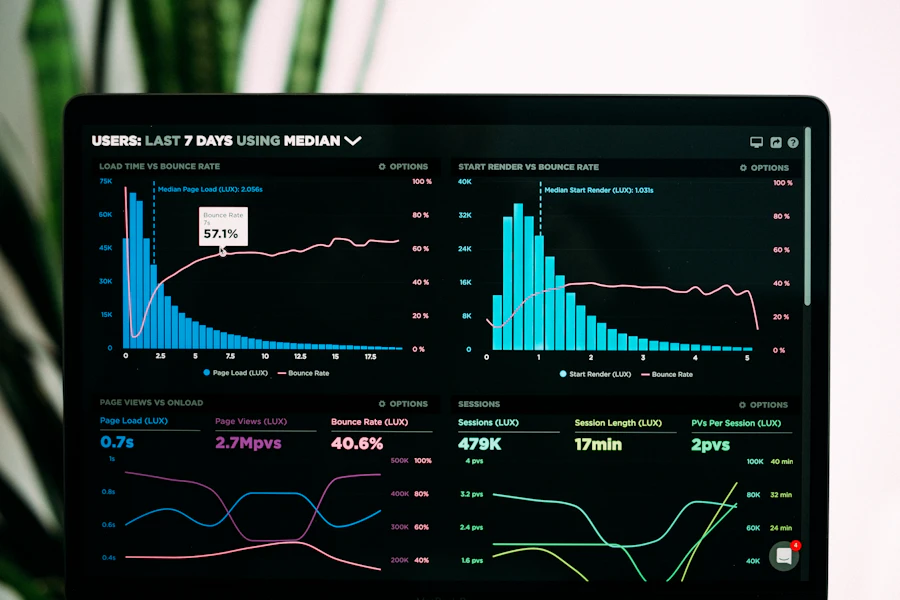
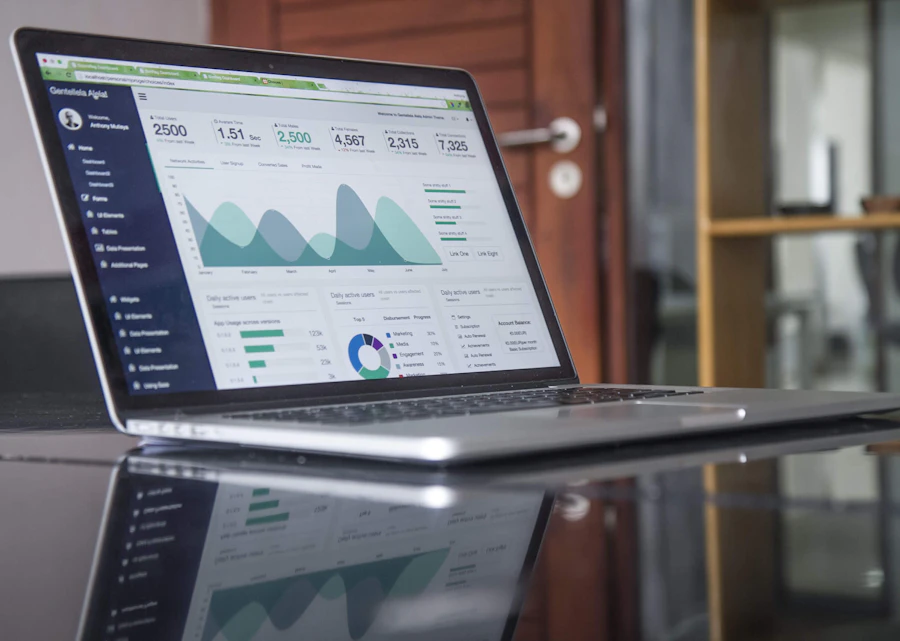
From the first integration to the last audit export — each stage narrows the gap between the record and the reality on the ward.
HL7 and FHIR feeds mapped into one record that reconciles across systems.
Tools shaped around the clinical task, measured in clicks and seconds saved.
Alerts that cite their inputs and accept a documented override.
Referrals, coding and correspondence handled without re-keying.
Access, retention and audit enforced by tests that run on every change.
From concept to completion.
Explore MoreTell us what you're building. An engineer who works in your sector — not a sales rep — replies within one business day.